|
11-801: Quantitative Evaluation of Language Technologies 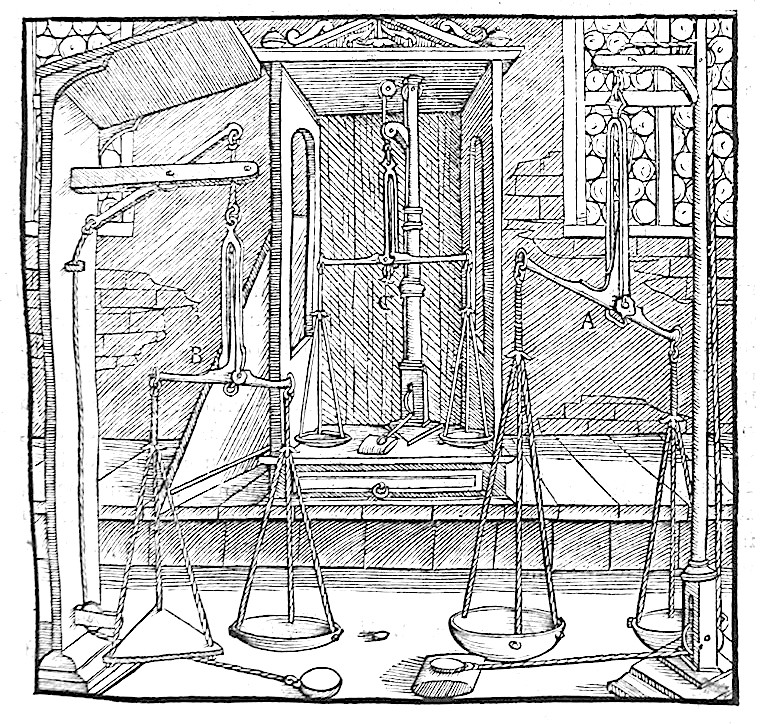 Agricola, G. (1556), De re metallica, Hieronymus Froben and Nicolaus Bischoff. Fall 2026 Tuesdays and Thursdays, 11:00AM-12:20PM Instructor: Fernando Diaz Office Hours: Thursdays 3:45-4:45 PM by appointment (scheduling opens one week in advance and closes one hour before; if you need a last minute appointment, please see me after class) TA: To Eun Kim Office Hours: Mondays 12:00-1:00PM, GHC 5417 |
||||||||||||
|
This is a lecture-based course intended for first or second year graduate students; advanced undergraduates with permission of instructor. Material will be split into two parts—measurement and experimentation—and in two contexts—offline and online. Measurement will cover measurement modeling, core constructs of interest in NLP tasks, and a series of deep dives into NLP-specific classes of metrics—sequences, rankings, and multi-turn interaction. Online metrics are mature in IR but there is sufficient literature in the broader NLP community to support studying implicit metrics there. Experimentation will cover the statistical analysis of measured properties of NLP systems. The offline experimentation component will cover basic principles of data set construction and hypothesis testing. The online experimentation component will cover basic principles in A/B testing and hypothesis testing there. This course will help students interrogate existing evaluation methods, laying a foundation for the development of new evaluation methods. |
||||||||||||
|
Learning Objectives |
||||||||||||
|
||||||||||||
|
Prerequisites |
||||||||||||
|
One course in applied ML (e.g., 11667: Large Language Models Methods and Application, 11737 Multilingual Natural Language Processing, 11742 Search Engines, 11751 Speech Recognition and Understanding, 11777 Multimodal Machine Learning, 11796 Question Answering). |
||||||||||||
|
Format |
||||||||||||
|
The course will be lecture and discussion-based. |
||||||||||||
|
Textbook |
||||||||||||
|
|
||||||||||||
|
Grading |
||||||||||||
|
||||||||||||
|
Project |
||||||||||||
|
Projects will focus on a deep understanding of the measurement and evaluation of a specific evaluation domain, a relevant property, and analysis of metrics. Each homework will include a project-oriented question, making the final report and presentation more tractable. Projects will be evaluated according to clearly stated assumptions both in the metrics as well as analyses. With the permission of all instructors, you may evaluate the performance of an algorithm-oriented project in another course; in this case, the algorithmic and evaluation work should decouple and be assessable independently. |
||||||||||||
|
Homeworks |
||||||||||||
|
Each homework will focus on questions of measurement with respect to project metrics, building toward a complete profile of the metric by the end of the semester. Homeworks will be due and released at the beginning of class. |
||||||||||||
|
Scribe Notes |
||||||||||||
|
Each student will be assigned one lecture to act as scribe and prepare notes to share with the rest of the class two weeks after the lecture. Notes should be written in a prose style and will be evaluated for completeness, including content and references. |
||||||||||||
|
Schedule |
||||||||||||
| 25 Aug |
1: Introduction
|
Chapter 1 |
||||||||||
|
Measurement |
||||||||||||
| 27 Aug |
2: Introduction to measurement
|
Chapter 2 |
||||||||||
| 1 Sep |
3: Evaluating evaluation metrics
|
Chapter 3 |
||||||||||
| 3 Sep |
4: Foundations and basics of offline evaluation
|
Chapter 4 |
||||||||||
| 8 Sep |
5: Foundations and basics of online evaluation
|
Chapter 5 |
||||||||||
| 10 Sep |
6: Elicitation of evaluation data
|
Chapter 6 |
||||||||||
| 15 Sep |
7: Foundations and basic constructs of simulated evaluation
|
|||||||||||
| 17 Sep |
8: The Benchmark Problem (Ben Recht seminar) |
|||||||||||
| 22 Sep |
9: Evaluating sequences (offline)
|
Chapter 7 |
||||||||||
| 24 Sep |
10: Evaluating sequences (online)
|
Chapter 8 |
||||||||||
| 29 Sep |
11: Evaluating rankings (offline)
|
Chapter 9 |
||||||||||
| 1 Oct |
12: Evaluating rankings (online)
|
Chapter 10 |
||||||||||
| 6 Oct |
13: Evaluating multi-turn systems (offline)
|
Chapter 11 |
||||||||||
| 8 Oct |
14: Evaluating multi-turn systems (online)
|
Chapter 12 |
||||||||||
| 13 Oct | Fall Break | |||||||||||
| 15 Oct | Fall Break | |||||||||||
| 20 Oct |
15: Multi-task evaluation
|
Chapter 13 |
||||||||||
| 22 Oct |
16: Evaluation Harnesses and Tools (Thomas Serban von Davier) |
|||||||||||
| 27 Oct |
17: Population-level metrics
|
Chapter 14 |
||||||||||
|
Experimentation |
||||||||||||
| 29 Oct |
18: From measurement to experimentation
|
Chapter 15 |
||||||||||
| 3 Nov | Democracy Day | |||||||||||
| 5 Nov |
19: Dataset construction (offline)
|
Chapter 16 |
||||||||||
| 10 Nov |
20: Dataset construction (online)
|
Chapter 17 |
||||||||||
| 12 Nov |
21: Hypothesis testing (offline)
|
Chapter 18 |
||||||||||
| 17 Nov |
22: Hypothesis testing (online)
|
Chapter 19 |
||||||||||
| 19 Nov |
23: Efficient data collection (offline)
|
Chapter 20 |
||||||||||
| 24 Nov |
24: Efficient data collection (online)
|
Chapter 21 |
||||||||||
| 26 Nov | Thanksgiving | |||||||||||
| 1 Dec | Project Presentations 1 |
|||||||||||
| 3 Dec | Project Presentations 2 |
|||||||||||